
Branding
Are Your Website Problems Actually Brand Problems in Disguise?

When your website isn’t working, a redesign seems like the obvious fix. After all, that’s how you solve navigation, layout, messaging and design issues.
Sometimes that’s exactly right.
But sometimes, those website problems can be symptoms of something deeper: unclear positioning, undefined audiences, muddy messaging or a dated visual identity.
These are brand problems. And while a website redesign can absolutely improve them, it helps to know what you’re actually dealing with before you choose your approach.
You can fix a lot of brand through a website
We see this pattern regularly. An organization comes to us for a website redesign, and as we dig into the work together, we realize the real issues are brand issues. That doesn’t mean we stop and start over. It means we widen the lens.
When we partnered with Restore Justice Foundation, their website was full of legal explainers. Useful and valuable, but they didn’t convey the human side of the work, that everything Restore Justice does is about helping people whose lives have been destroyed by a harsh, punitive justice system. The relationship between Restore Justice Foundation and its sister organization Restore Justice Illinois also created confusion. And the visual identity didn’t match the boldness of their vision or the heart of their work.
We didn’t start with a full rebrand. We built on their existing brand guidelines and evolved them through the website project: a brighter colour palette, bolder typography, emotive storytelling and photography that put their community at the centre. The result was a website that felt true to who they are and a stronger brand expression that they now use across all their channels.
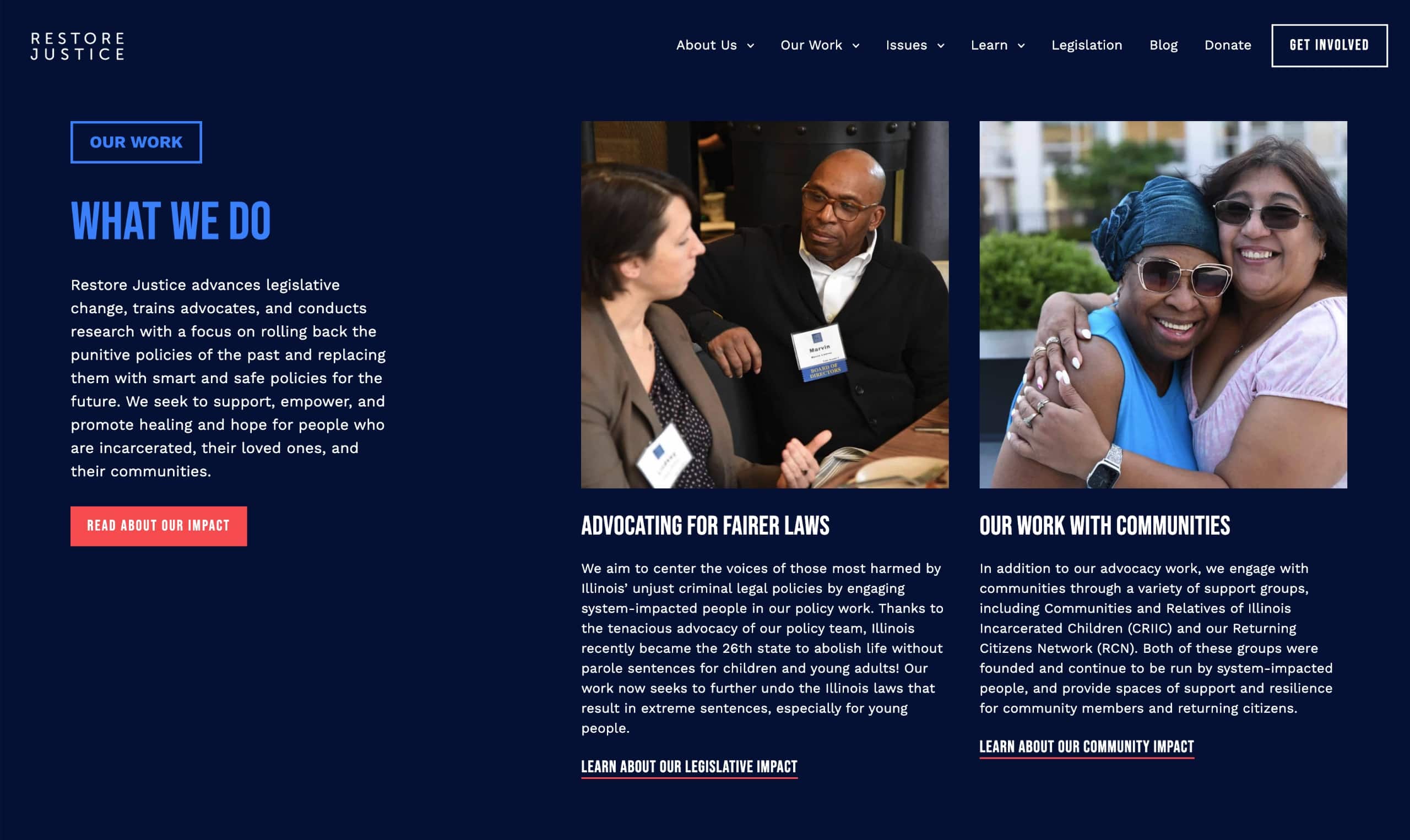
So if your budget or timeline only allows for one project, a website redesign is a perfectly good place to start. You can make real, meaningful progress on brand problems through that process.
But it helps to go in with your eyes open. When you know the root cause is brand, you can make smarter decisions about scope, prioritize the right conversations and build a website that addresses the right problems.
So how do you know if you’re dealing with a brand problem or a website problem? Here are the most common pain points we see and how to tell the difference.
1. People can’t find what they’re looking for
The structure of your website plays a huge role in helping people navigate and find what they need. No argument there.
But structure depends on clarity. If as an organization, you can’t label your programs consistently, the navigation will always feel not quite right. If your services overlap conceptually, over time, the sitemap will too. If internal teams describe things differently, the copy on your website will start to reflect that confusion.
A website redesign can improve the architecture significantly. But if the underlying lack of clarity isn’t addressed, those structural problems tend to resurface.
2. Our website looks dated
Sometimes the problem really is that your website was built a decade ago and it shows. A website redesign will solve for that.
But if your brand looks just as dated as your website, then the website might not be the problem.
We see this a lot and there are a few options.
One is to thoughtfully evolve and expand your existing brand through the website redesign. Just like we did with Restore Justice, building on their existing guidelines to create a stronger visual expression without starting from scratch.
Another is to treat the moment as an opportunity to redefine the brand more fully. Rather than building incrementally on what exists, you start a new chapter with a verbal and visual identity that brings deeper clarity to who you are. That new brand foundation then informs and strengthens the website.
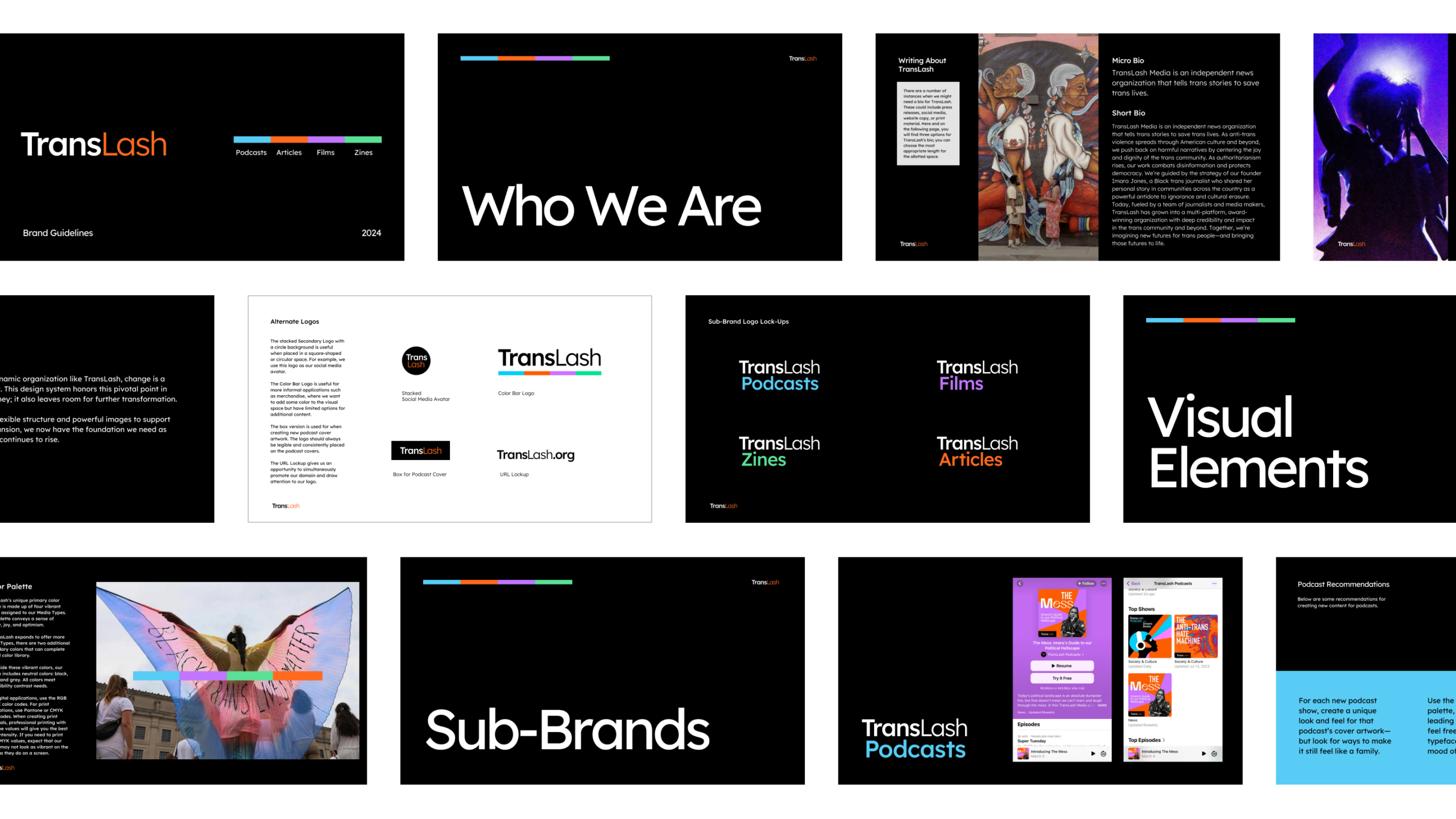
We started our work with TransLash with just the website. But in our research and insights workshop, deeper questions kept resurfacing around their visual and verbal storytelling. It became clear we needed to settle these foundational pieces and start by clarifying their brand. And so we did and that work elevated everything that came after.
Every project is unique and there isn’t one solution. Only if you expand your brand through the website redesign, make sure you consider your broader ecosystem. Your website doesn’t exist in isolation. If the redesign moves your brand forward, you’ll need a plan to bring all of your channels together so you’re telling the same story everywhere.
3. People don’t understand what we do
Every good website redesign makes complexity easier to understand through structure, visual design and messaging.
Having your brand messaging sorted before you start doesn’t mean the website writes itself.
But it means you’re building from a strong foundation rather than figuring it out as you go. With that clarity in place, it becomes easier to stay consistent across channels, to make sure the way you talk about your work matches the way you show it visually and to help your audience understand what you do in a structured way rather than just on one page of your website.
If you’re working on messaging within the website project, just make sure you’re investing the time to get it right and identify how it fits within your existing brand.
4. We need to reach multiple audiences
Organizations in social impact almost always have multiple audiences: donors, participants, partners, policymakers, volunteers, parents, researchers, advocacy groups… This tension is real, because when you try to speak to everyone equally, you speak to nobody. And conversely, the more targeted you are, the more universal your message becomes.
A big part of the website process is building different audience journeys and weaving them together.
But brand is where you define who matters most. Not who might be interested, but who you exist to serve, who is ready to move to action and who will carry your mission forward. Brand also helps you decide who you’re not prioritizing, which is just as important for making clear strategic choices.
You can do some of that audience work within a website project. We usually do. But the clearer you are on this going in, the more it allows you to focus your website redesign on the user journeys, from information architecture to homepage messaging to calls to action.
5. Our internal stakeholders aren’t aligned
This one’s tricky. Sometimes the misalignment is small enough that a website redesign can resolve it. Helping people choose a direction together, after all, is part of the process.
Other times, the disagreement runs deeper. If the key voices at your organization don’t agree on how you should show up in the world, it’s a gamble to expect a website project to find the magical thread.
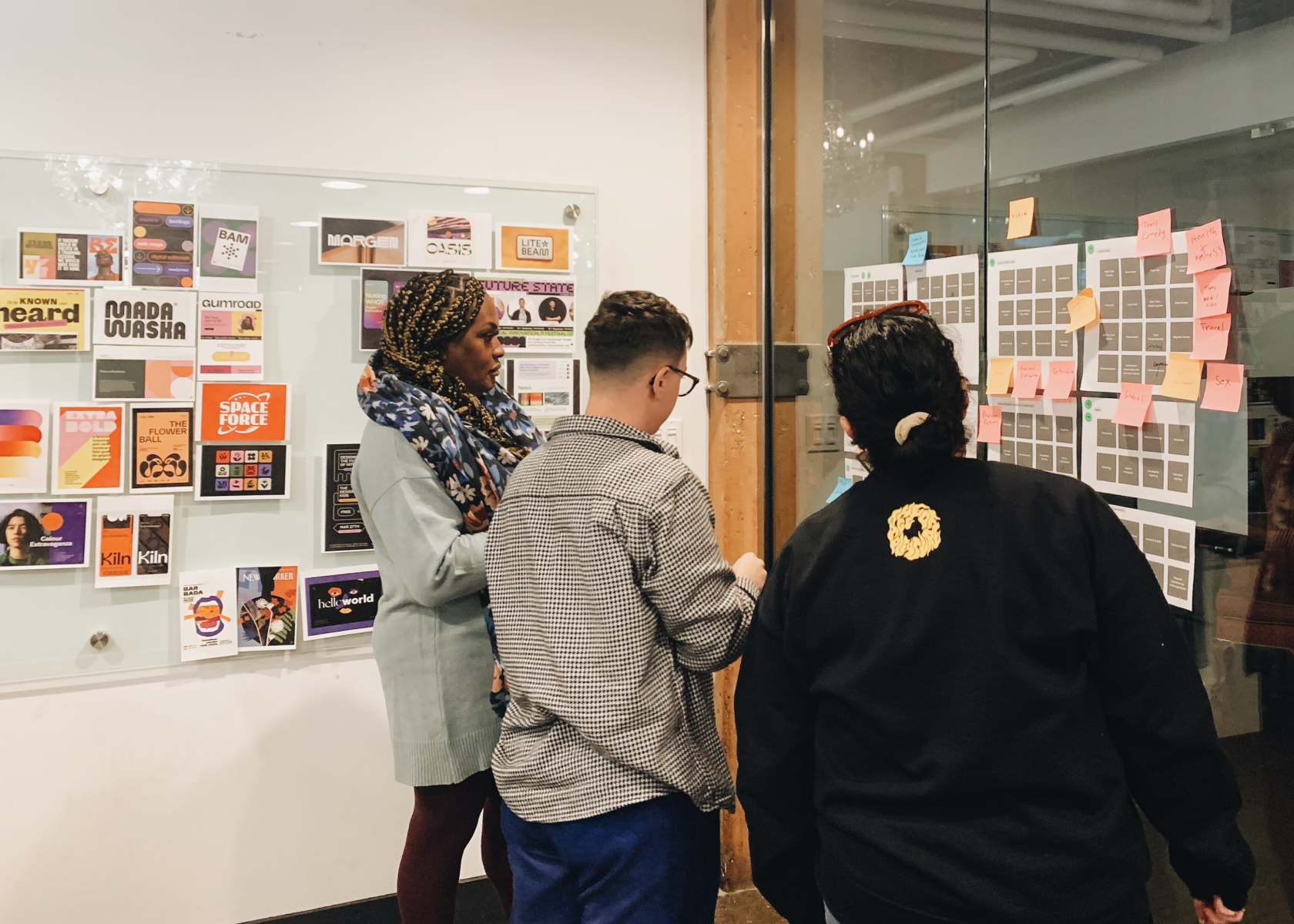
What’s often needed is space for people to talk, share their perspectives, listen to each other and have someone guide them toward a path they can all support. Not necessarily agree on, but choose to get behind.
And that is something the brand process excels at.
When budget allows, start with brand
When we work with organizations on both brand and website, we typically recommend starting with brand. Not because the website can’t address brand problems, but because the two projects answer different questions in a natural sequence.
Brand answers the foundational questions. Why does your organization exist? What do you do and for whom? How do you talk about your work? What do you look and sound like when you show up in the world? These are the questions that shape everything else: your messaging, your visual identity, your voice, your positioning relative to peers.
The website then becomes an expression of those answers. It’s where you structure your story across pages and sections, adapt your visual identity to different content types, build audience journeys and create a consistent experience from the first click to the last. It’s a critical channel, probably your most important one. But it’s a channel, not the source.
When brand comes first, the website project moves faster because the big strategic decisions have already been made. The team isn’t debating positioning and page layouts at the same time. The design has a foundation to build on rather than inventing one. And the result tends to last longer because it’s rooted in something intentional rather than something improvised along the way.
Solve the right problem
A website redesign can improve how users find what they need, modernize your look and feel, clarify what you do, prioritize audiences and help key voices align. We’ve seen it do all of these things.
The question is whether a redesign will solve the problem or temporarily improve it. If the root causes are brand problems, a website can make things better, sometimes a lot better, but it won’t make the underlying issue go away.
And you’ll feel it. The navigation you just put a lot of thought into will start feeling fuzzy. The website will encourage new visual styles rather than establishing a consistent one. Your messaging will stretch rather than focus. Every department will want their audience represented on the homepage or in the nav. Decisions you thought leaders had agreed on will get revisited the moment a new priority surfaces.
So how do you tell the difference?
Zoom out.
Your website is a massive channel, but look at the rest of your assets. Are the problems you’re facing unique to your website? Or do they follow you everywhere, on your social media, your external communications, your internal conversations?
If the problems are website-specific and your team talks about your organization consistently, go ahead with the redesign.
If the problems are systemic, then you’ve got a brand challenge. And the good news is that both are solvable. Sometimes a dedicated brand project is the right starting point. Sometimes addressing brand within a website redesign is the smartest move given your budget and timeline. The important thing is that you know what you’re solving for, so you can choose the right approach and set realistic expectations for the outcome.